Language: English











Repair of Cracks in Warehouse Concrete Columns in India
Carbon Fiber
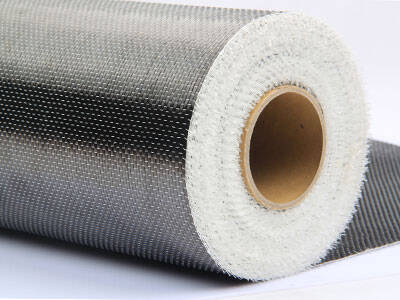
Reinforcing warehouse columns with cracks using 300g carbon fiber fabric offers the advantages of rapid construction, light weight, minimal space occupation, and effective reinforcement.
Vertical and diagonal cracks have appeared in the lower-to-middle sections of 12 frame columns located on the south side of the warehouse. These cracks range in width from 0.2 to 1.5 mm and in length from 200 to 1,200 mm, with some cracks extending through the entire cross-section of the columns. The concrete surface exhibits localized dusting and honeycombing; however, there is no exposure or corrosion of the steel reinforcement. Testing indicates that the concrete strength meets or exceeds the C25 standard. These cracks are classified as static structural cracks, resulting from stress concentrations caused by long-term stacking loads and concrete shrinkage; consequently, structural strengthening and reinforcement measures are required.
Based on the operational requirements of the warehouse (construction without production interruption, short duration, and minimal space encroachment), the severity of structural defects in the columns, and relevant code requirements, a reinforcement scheme utilizing circumferential wrapping with 300 g/m² carbon fiber fabric has been adopted. The key design parameters are as follows:
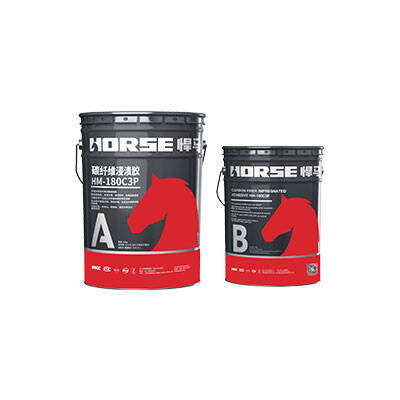
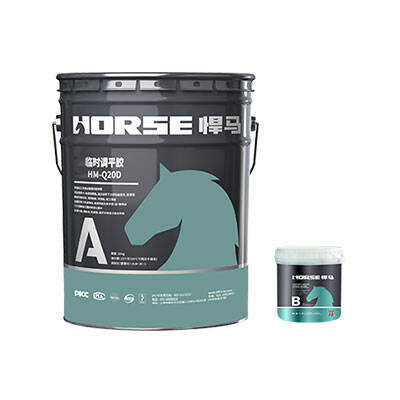
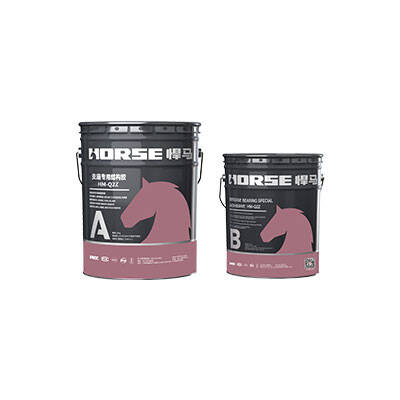
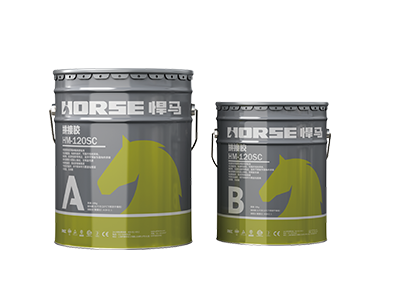
Carbon Fiber Materials: Grade I 300g unidirectional carbon fiber fabric (tensile strength ≥ 3400 MPa; elastic modulus ≥ 2.35 × 10⁵ MPa), accompanied by specialized primer, leveling putty, and impregnating resin.
Reinforcement Scope: The full height of the column (extending from 50 mm above the floor level to 50 mm below the underside of the beam).
Number of Carbon Fiber Layers: Two layers of circumferential wrapping (designed to satisfy requirements for axial compression confinement, crack closure, and load-bearing capacity enhancement).
Key Structural Details: Chamfering of the four column corners with a radius R ≥ 20 mm; circumferential lap length ≥ 150 mm; lap joints positioned to avoid areas of concentrated cracking.