Language: English












Concrete Columns | Underground Parking Garage Carbon Fiber Rehab
Structural Strengthening with Carbon Fiber
The CFRP full-wrap confinement system provided a lightweight, high-performance, and durable solution for restoring and strengthening the structural capacity of underground garage columns affected by both systemic capacity deficiency and localized collision damage.
Project Background
An underground parking garage serving a multi-story commercial-residential complex experienced significant structural deterioration in its primary load-bearing columns. The garage, designed to accommodate passenger vehicles, SUVs, and heavy fire-fighting trucks, is classified as a civil air defense (CAD) designated underground structure subject to blast shockwave and overburden load requirements.
As the facility aged, two categories of critical structural defects emerged across multiple columns, directly threatening the overall integrity and safety of the parking structure.

Problem Identification
Defect 1:
Insufficient Ultimate Bearing Capacity
Several columns exhibited signs of structural inadequacy stemming from multiple factors:
Degraded concrete strength: Long-term exposure to the humid underground environment caused measurable loss of concrete compressive strength
Added superimposed loads: Installation of mechanical parking equipment post-construction imposed additional loads beyond the original design capacity
Reduced safety margins: Cumulative effects left columns operating near or beyond their design limits
Defect 2:
Localized Collision-Induced Damage
Active parking operations resulted in repeated vehicle-to-column impacts, particularly at corners and turning radii:
Concrete cover spalling and surface fracturing at impact zones
Exposure and corrosion of main longitudinal reinforcement
Bending or fracturing of transverse stirrups in damaged regions
Progressive loss of effective cross-sectional area and shear confinement
Secondary degradation from sustained moisture ingress, chloride attack from deicing salts on ramp surfaces, and rebar corrosion-induced cracking propagating along column shafts

Structural Solution: CFRP Full-Wrap Confinement System
Given the constrained access, clear-height limitations, and humid environment of the underground garage, externally bonded CFRP (Carbon Fiber Reinforced Polymer) full-wrap reinforcement was selected as the optimal retrofit strategy.

Application Method
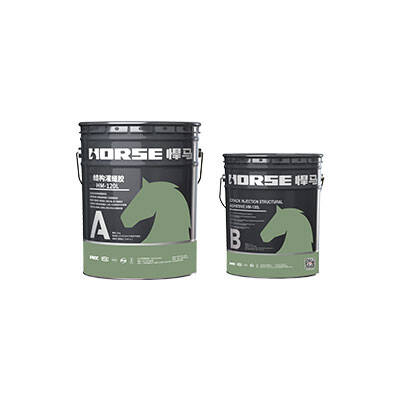
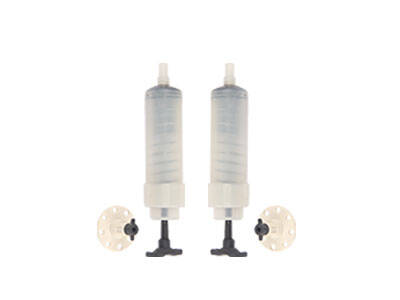
1) Surface preparation: Removal of loose concrete, corrosion products, and damaged cover; routing and sealing of active cracks; application of primer to prepared substrate
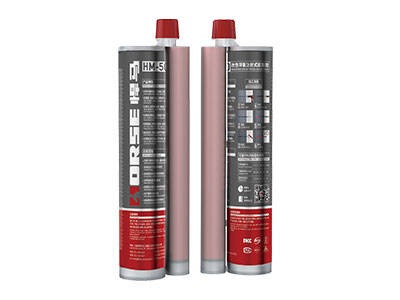
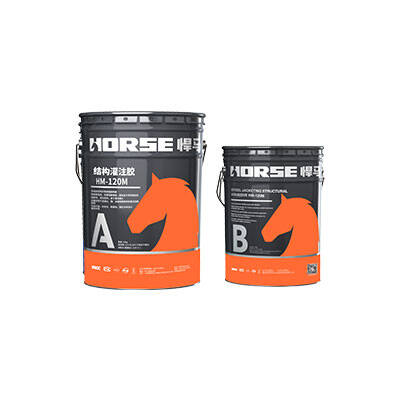
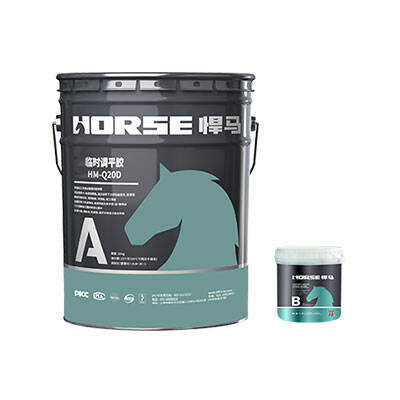
2) Surface repair: Filling of spalled zones and impact damage with structural epoxy putty to restore a continuous, level surface
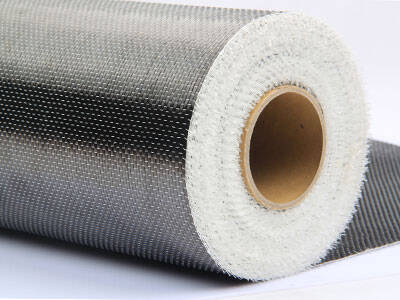
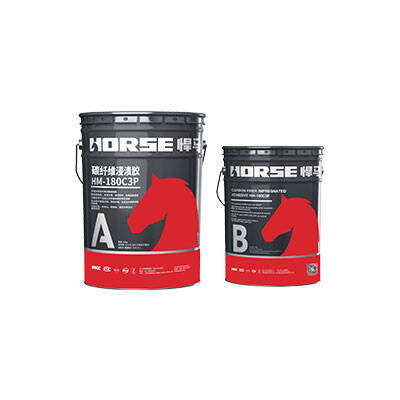
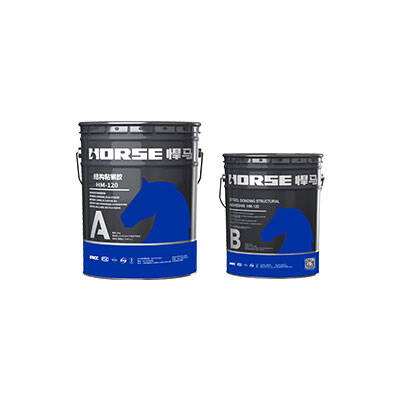
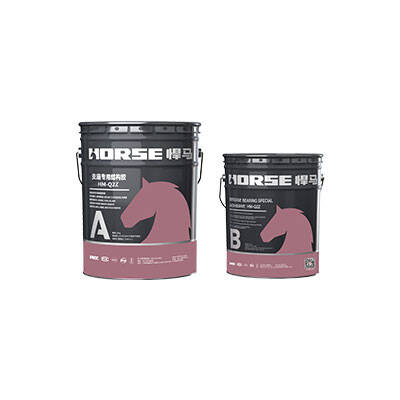
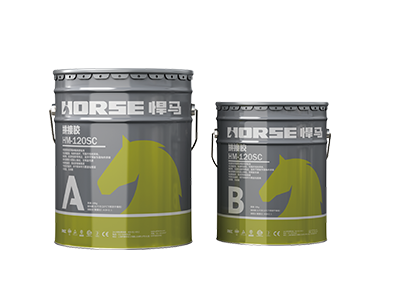
3) CFRP wrapping: Saturation of CFRP fabric with structural adhesive and full-circumference application around column shafts
4) Protective coating: Application of fire-resistant and moisture-barrier topcoat for long-term durability in the humid underground environment

Advantages of CFRP Wrap Strengthening
| Benefit | Mechanism |
|---|---|
| Increased axial capacity | Circumferential confinement restrains lateral concrete expansion under vertical compression, effectively increasing compressive strength |
| Enhanced shear resistance | External transverse reinforcement supplements deficient internal stirrups, restoring shear capacity at critical sections |
| Improved seismic ductility | CFRP confinement delays brittle shear failure, limits crack widening under cyclic loading, and provides energy dissipation capacity |
| Corrosion protection | Sealed concrete surface blocks moisture and chloride ingress, slowing rebar corrosion and extending column service life |

The CFRP full-wrap confinement system provided a lightweight, high-performance, and durable solution for restoring and strengthening the structural capacity of underground garage columns affected by both systemic capacity deficiency and localized collision damage. The system addressed the primary defects — insufficient bearing capacity and impact-induced structural degradation — while simultaneously delivering long-term environmental protection for columns operating in a continuously humid underground setting.

The retrofit was completed with minimal disruption to ongoing parking operations, no reduction in garage clear height, and with performance improvements that exceeded the original design specifications.