Language: English












Cracked Highway Bridge Strengthening Repair
Crack Injection+Steel Plate Bonding
Structural rehabilitation of an elevated highway bridge: pressure injection of extensive concrete cracks, steel plate and H-section bonding to the girders— restoring integrity and capacity in a live-traffic environment.

Current Structural Problems
The condition survey told a familiar story for aging concrete viaducts:
Cracking across multiple elements. Cracks were mapped across the deck soffits, the girder faces, and the columns. Left open, these cracks admit moisture and chlorides to the reinforcement, accelerate corrosion, and break the monolithic action the structure was designed around.
Girders short on flexural capacity. Under current traffic loading and verification requirements, the main girders could no longer demonstrate the flexural capacity the structure needs to carry.

1. Crack injection — restoring continuity
Cracks throughout the deck, girders and columns were repaired by pressure injection of epoxy resin:
The cracks were sealed along their length with a fast-setting epoxy sealant — the white sealing lines visible across the concrete surfaces in the project photos;
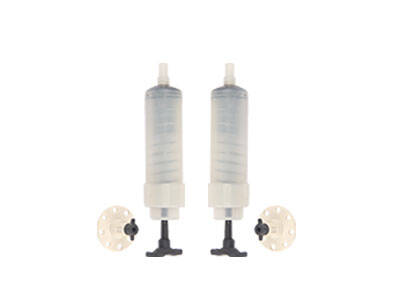
Injection ports were installed at intervals along each sealed crack, visible as the evenly spaced fittings on the sealed lines;
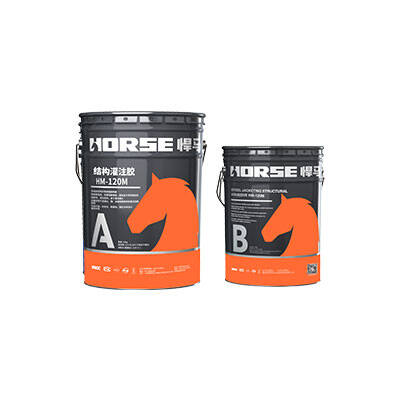
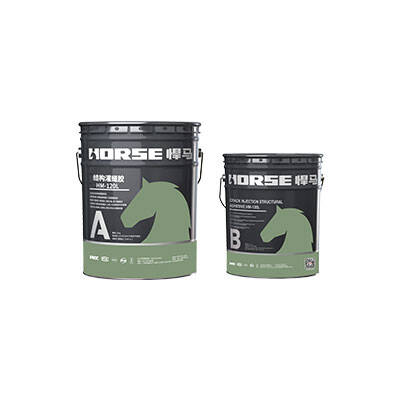
Low-viscosity epoxy was then injected under pressure, filling the full depth of each crack and bonding the two faces back together.
The result is not a cosmetic fill: an injected crack transfers stress again, restoring the monolithic behavior of the member and sealing the path that moisture and chlorides were using to reach the steel.

2. Girder strengthening — bonded steel plates and H-sections
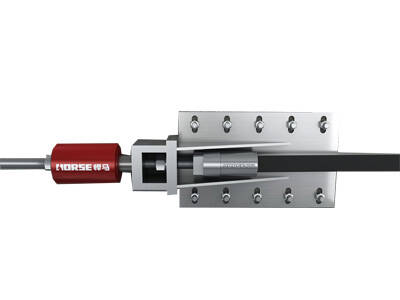
Where the girders needed more flexural capacity, steel plates and H-section steel members were bonded to the concrete and anchored through it:
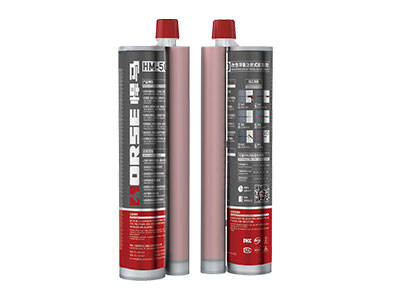
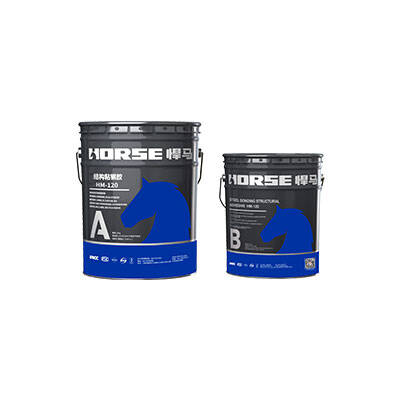
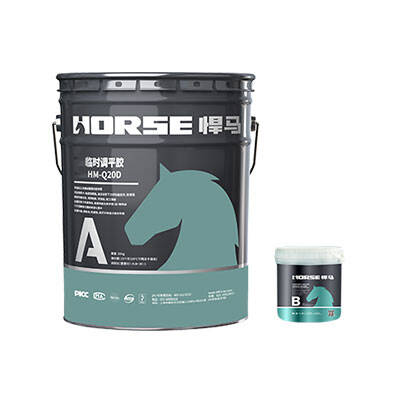
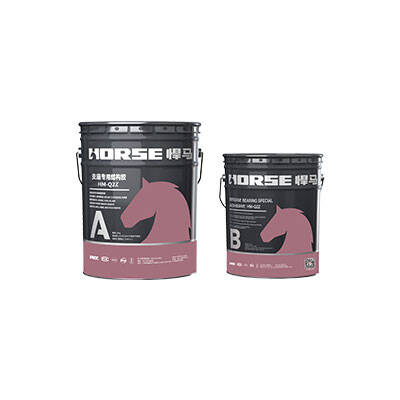
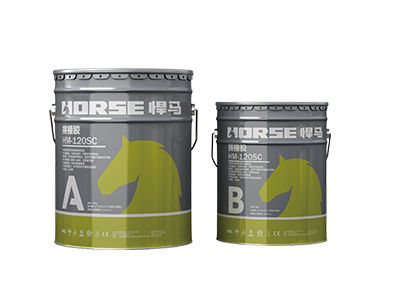
Structural adhesive forms the continuous bond between steel and concrete, transferring shear across the full interface rather than relying on the anchors alone;
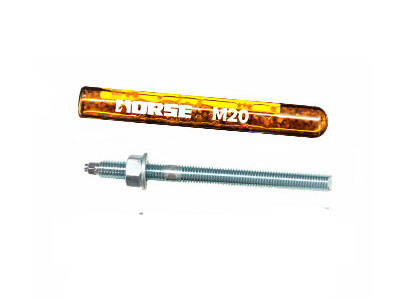
Anchors clamp the steel to the concrete, guarantee contact pressure during adhesive cure, and provide a mechanical safety net against peel and slip;
H-section steel members run along the girders, working compositely with the concrete to add stiffness and flexural capacity where the section was deficient.
The technique is deliberately suited to bridge work: the steel is prefabricated, the adhesive is applied on site, and the strengthened section is in service as soon as the adhesive cures — no formwork, no concrete curing period, no added dead load of the magnitude a section enlargement would bring.

3. Column pier repair — sealed, injected, protected
The pier columns carried the same cracking pattern, and received the same treatment — sealed and pressure-injected along the full height of each crack, restoring the column's section and closing the corrosion pathway.
After Strengthening
Cracks across the deck, girders and columns are fully injected and sealed — continuity restored, corrosion pathway closed;
The main girders carry bonded steel plates and H-sections working compositely with the concrete, restoring flexural capacity without significant added weight;
Anchored connections guarantee the bond and provide mechanical redundancy at every plate;
The bridge returned to full service within its traffic windows, with a strengthened structure that requires no further intervention in the repaired zones.
For aging viaducts, this project shows what a structural adhesive system can do that conventional methods cannot: repair the cracks, restore the section, and reopen the bridge — without closing it.
Have a Similar Project? Talk to Us.
Horse Construction is a Shanghai-based manufacturer of structural strengthening materials, with two full product lines trusted on bridge and infrastructure projects in 100+ countries:
Structural adhesives — steel-bonding adhesive, rebar-planting adhesive, crack injection and pouring adhesives, and segment joint adhesive;
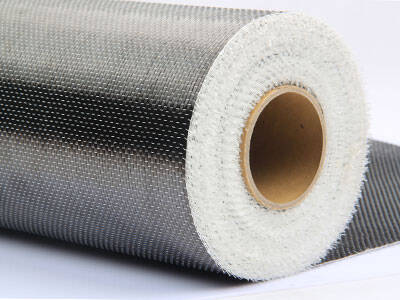
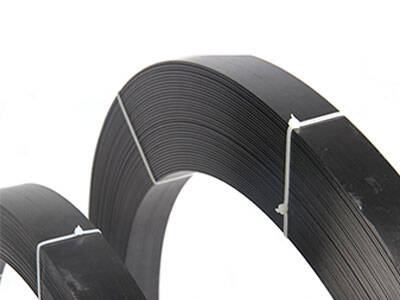
Carbon fiber systems — CFRP fabric, CFRP laminates, pre-stressed CFRP laminate systems, carbon rebars and tendons, with matched saturating epoxies.
If your project involves bridge rehabilitation, crack injection, steel plate bonding, or similar strengthening work, contact us — we will do everything we can to support you, from material selection to on-time delivery.