


 Language: English












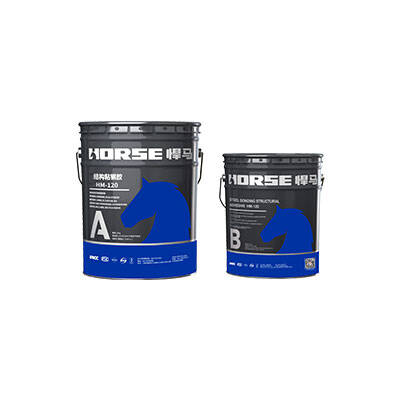
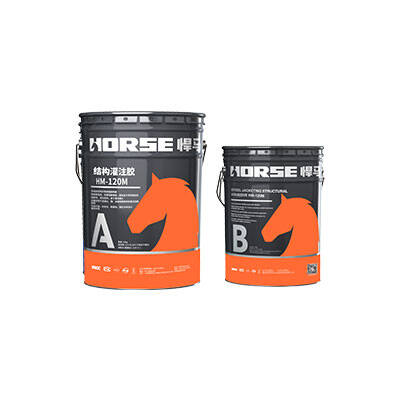
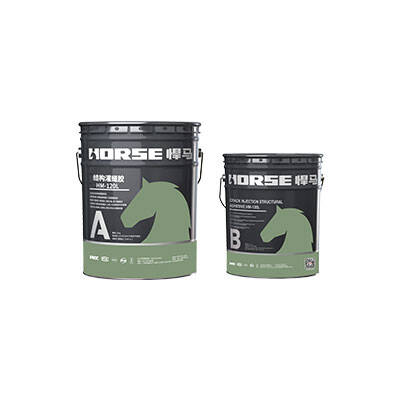
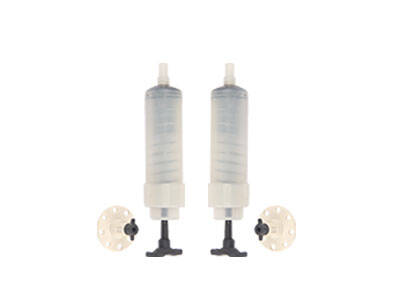
Solutions
Horse Construction offers full range of structural strengthening materials with technical supports, documentation supports, products supports, project supports.
FRP Strengthening
Laboratory tests show externally bonded FRP can raise the flexural capacity of concrete beams and slabs by 10%–160%. However, code-based strengthening limits, ductility and serviceability constraints cap practical capacity gains at 40% for typical projects. FRP design must also address fire resistance, environmental ageing and galvanic corrosion risks.
Externally bonded Fiber-Reinforced Polymer (FRP) reinforcement has become one of the most popular solutions for rehabilitating and upgrading existing concrete beams and slabs. In controlled laboratory testing, researchers have recorded flexural capacity increases ranging from 10% all the way up to 160% after applying FRP to the tension face of concrete flexural members, with fibres aligned parallel to the member span. These remarkable test results showcase the enormous strengthening potential of FRP composites, and it is easy for project stakeholders to expect similar large capacity improvements on site.
Even so, those high experimental strength gains cannot simply be replicated in real-world structural design. Design codes enforce mandatory strengthening limits, which serve a clear safety purpose: to protect against catastrophic structural collapse in the event the externally bonded FRP system stops working. FRP failure may occur through debonding from the concrete substrate, physical vandalism, impact damage, or long-term material deterioration. The underlying rule is straightforward: the original, unstrengthened concrete member must carry enough load on its own to meet minimum design requirements. FRP is treated as supplementary reinforcement, not the primary load-bearing component. It acts as an extra safety layer rather than replacing the inherent capacity of the existing structure.
Once we factor in additional performance constraints beyond ultimate strength, the realistic ceiling for capacity enhancement becomes much lower. Ductility, crack width and deflection control under service loads all need to be satisfied. A structure can gain raw strength but become brittle or suffer excessive cracking under routine service conditions. For most conventional building retrofits, a maximum flexural strength increase of 40% is widely accepted as a practical, reasonable threshold. This cap balances higher load capacity while preserving ductile behaviour and acceptable serviceability performance.
Key Design Considerations for FRP Strengthening
Fire Resistance
FRP systems rely on polymer resins as the bonding matrix. These polymeric materials experience sharp drops in mechanical and bond performance once temperatures approach or exceed the polymer glass transition temperature ((Tg)). When a project requires a formal fire-resistance rating, passive fire protection will normally be needed to shield the FRP system. Standard fire-state calculations typically exclude any strength contribution from FRP, unless project-specific fire testing can prove the adhesive bond remains effective throughout the required fire exposure duration. Even though the concrete substrate itself retains fire resistance, the FRP composite itself is vulnerable to heat damage.
The mechanical properties of FRP, including tensile strength, ultimate strain and elastic modulus, degrade slowly under harsh service environments. Exposure to alkaline or acidic surroundings, seawater and salt spray, repeated freeze-thaw cycling, continuous high humidity, and ultraviolet radiation can all gradually reduce composite performance. Material selection should match the in-service site conditions. Designers must incorporate appropriate durability reduction factors to account for anticipated long-term material ageing over the service life of the strengthened structure.
Galvanic Corrosion Risk for Carbon FRP
Carbon fibre reinforced polymer (CFRP) is electrically conductive. If carbon FRP is placed in direct physical contact with embedded or exposed steel reinforcement and steel structural components, a galvanic cell can form. This will accelerate corrosion of the steel elements. Proper isolation layers must be specified to separate CFRP from steel wherever they meet. Glass, basalt or aramid FRP variants do not carry this risk, as these fibre types are electrical insulators.
FRP strengthening offers major advantages for concrete rehabilitation: it is lightweight, easy to install, adds minimal dead load, and delivers high tensile strength. But successful FRP retrofits are never just about maximising ultimate capacity gains. A practical, code-compliant design balances the attractive strengthening potential with fallback safety requirements, fire performance, long-term environmental durability, and material compatibility concerns. The best designs deliver reliable structural improvement without trading away ductility, serviceability or resilience.
You can find anything here you are in need of, have a trust trying on these products, you will find the big difference after that.

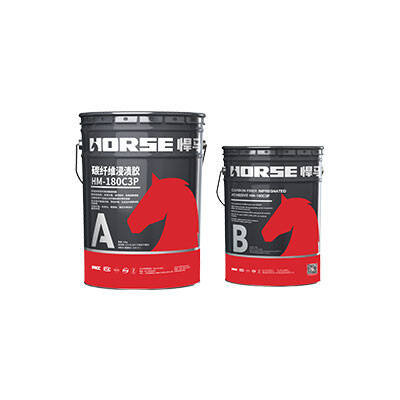
Good impregnation carbon fiber adhesive for applying carbon fiber reinforced polymer(CFRP) wrap for structural strengthening

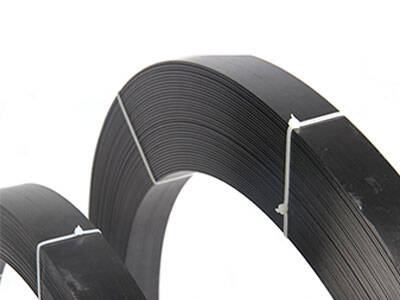
High strength carbon fiber reinforced polymer (CFRP) strip / laminate / plate for structural strengthening and concrete repair

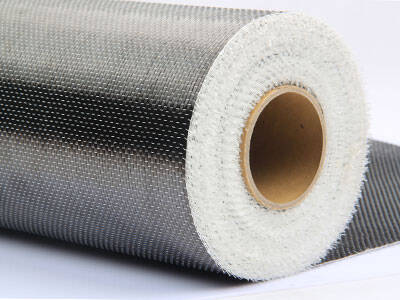
High strength unidirectional carbon fiber fabric for concrete repair and structural strengthening
